01
Crew Capture / BTQ
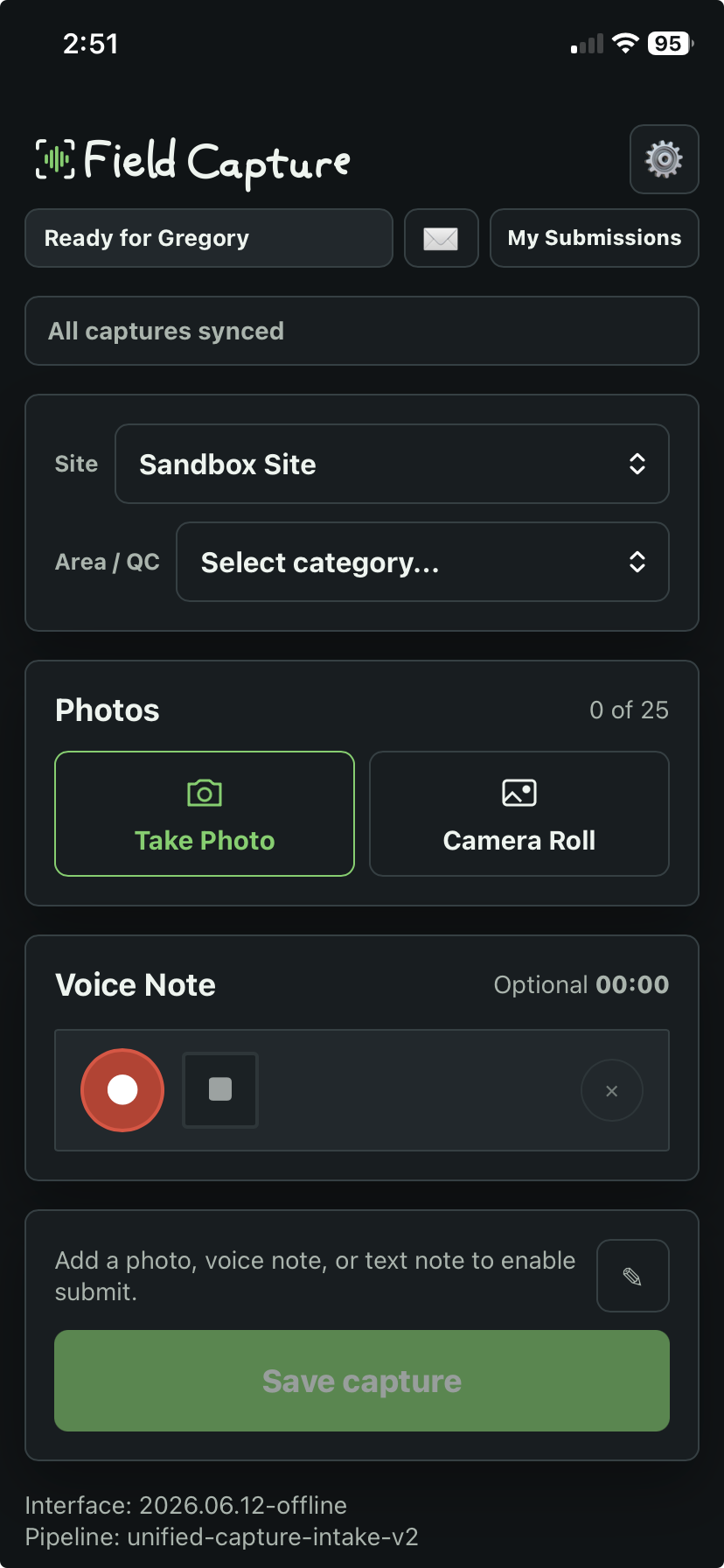
Built from a live field-operations problem. More than 21,000 images have moved through the production workflow, turning field evidence into structured information for review and follow-through.
See the field-intelligence systemProduct, implementation, and technical operations leader connecting customers, operations, product, and engineering.
I have spent my career in the space between business and technology: understanding what people are trying to accomplish, giving technical teams the context they need, and carrying the work through implementation, launch, and improvement.
Selected work
The common thread is not a particular industry or technology. It is translating complicated reality into a system that customers, operators, and technical teams can use.
01
Built from a live field-operations problem. More than 21,000 images have moved through the production workflow, turning field evidence into structured information for review and follow-through.
See the field-intelligence system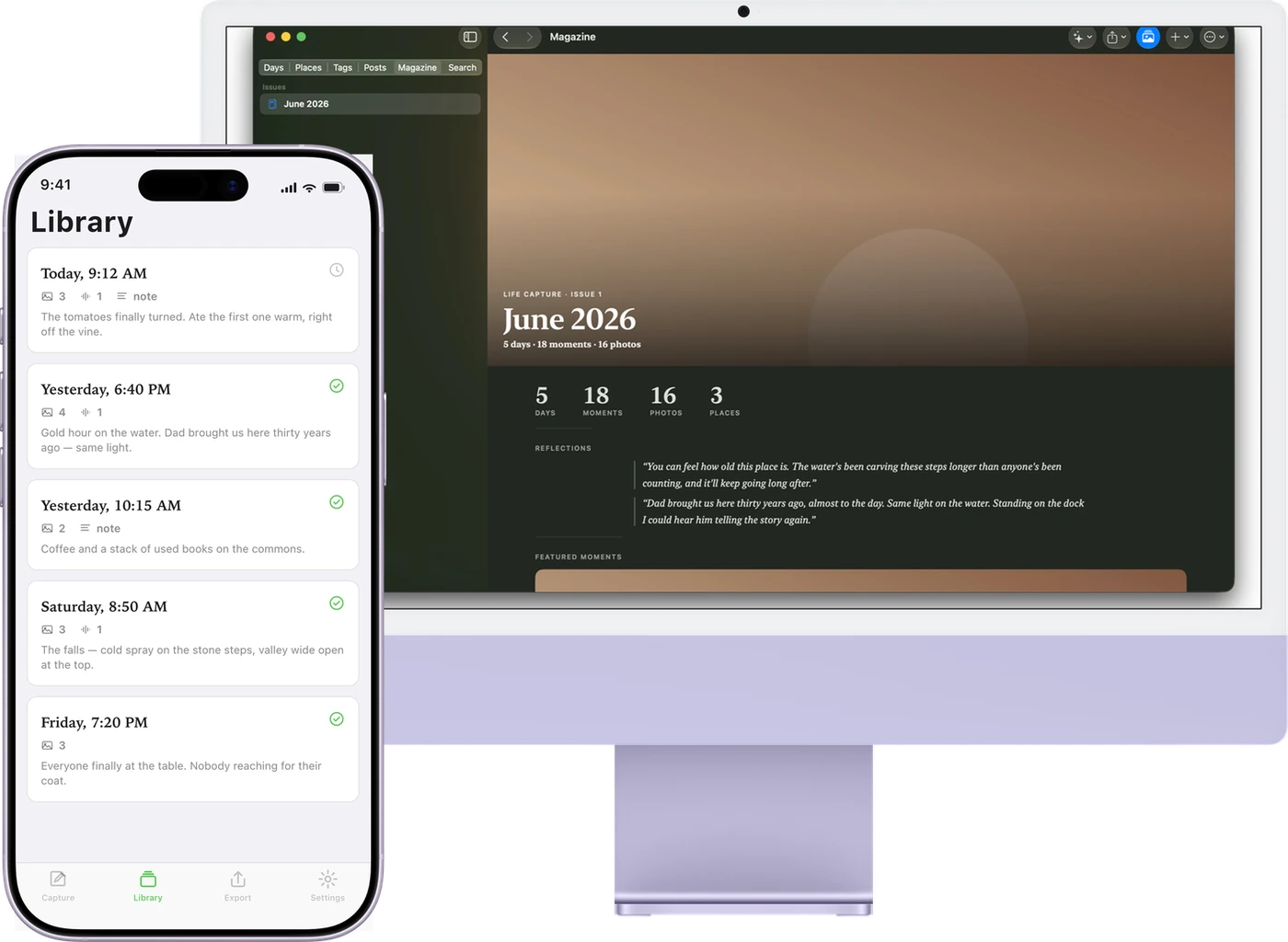
02
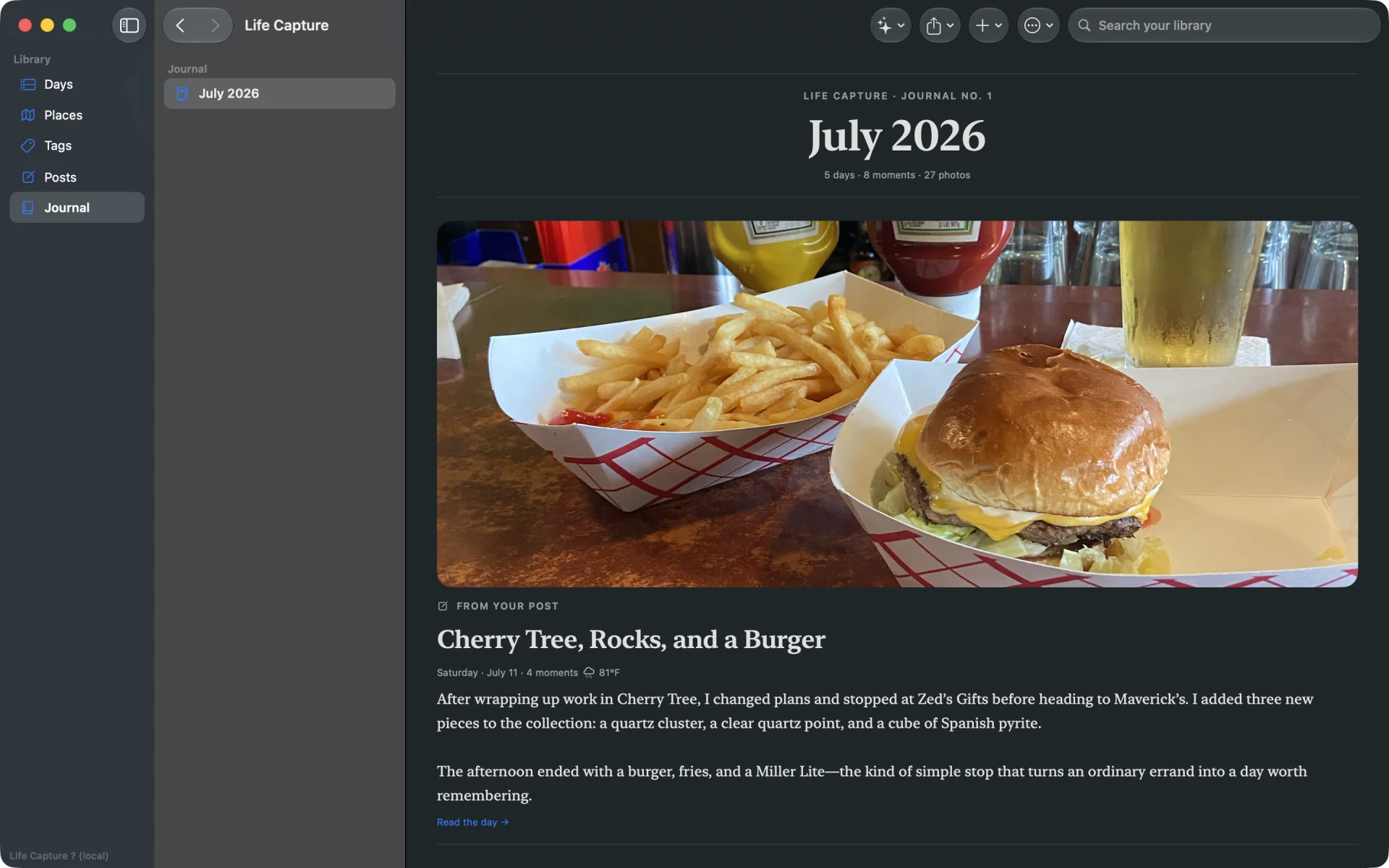
Native iPhone and Mac products that turn photos, video, voice, and place into a private, searchable journal. Product definition, interface design, local-first architecture, App Store delivery, and ongoing iteration are all part of the work.
Explore Life Capture03
Helped create and scale a B2B affiliate-tracking platform across architecture, integrations, infrastructure, client onboarding, and production operations. The work required technical depth, business judgment, and customer confidence in equal measure.
View professional experienceTranslate the operational problem. Give engineering enough context. Keep the customer confident. Get the system into production.
How I work
Separate the operational need from the requested feature, then make the constraints and desired outcome explicit.
Translate between customers, operators, product, and engineering so decisions arrive before the team is blocked.
Stay with the work through implementation, testing, launch, adoption, and the feedback that improves the next release.
Also shipped
An esoteric tower-defense game released on the App Store, supported by its own website, browser demonstration, original art direction, and product narrative.
Field-operations software for an energy producer, designed to keep working through intermittent network connectivity and synchronize when the connection returned.
Company sites, e-commerce systems, reporting utilities, migrations, integrations, and automation built around the realities of the business using them.
I am open to remote, regional hybrid, and relocation opportunities in implementation, technical account management, technical product/program delivery, and adjacent roles.